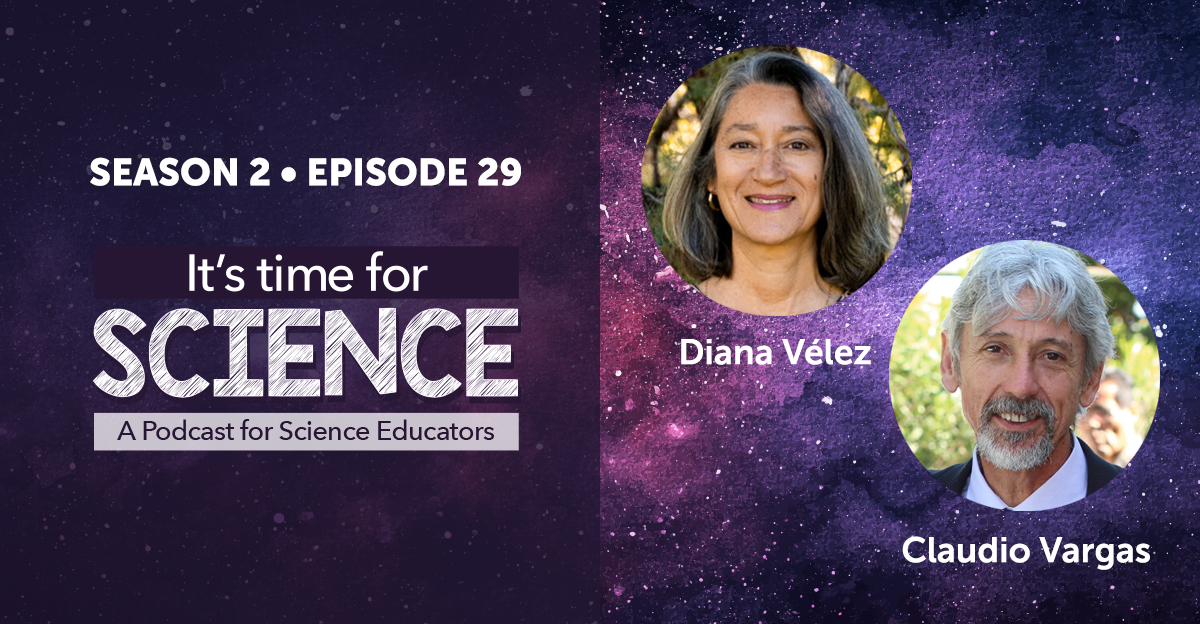
In this episode of It’s Time for Science, host Tom welcomes two incredible guests, Diana Vélez and Claudio Vargas, to talk about English Language Development (ELD) and translanguaging in the science classroom. Together, they explore how multilingual learners can use all of their language resources to make sense of scientific ideas, and how teachers can shift their mindset to see linguistic diversity as a strength, not a barrier.
It’s Time for Science Podcast Episode 29: English Language Development (ELD) and Translanguaging
In this episode of It’s Time for Science, host Tom welcomes two incredible guests; Diana Vélez and Claudio Vargas to talk about English Language Development (ELD) and translanguaging in the science classroom. Together, they explore how multilingual learners can use all of their language resources to make sense of scientific ideas, and how teachers can shift their mindset to see linguistic diversity as a strength, not a barrier.
Meet the Guests
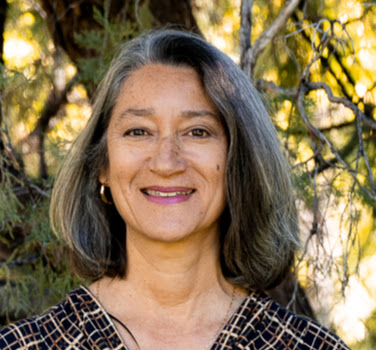
Diana Vélez is a curriculum developer and professional learning provider for the Full Option Science System (FOSS K–8) at the Lawrence Hall of Science. She specializes in English language development and the integration of literacy in science teaching and learning. Her work includes developing FOSS instructional materials, creating equity-focused teaching resources, and leading professional learning experiences for educators and school leaders. Before joining the Lawrence Hall of Science, Diana was an instructional leader at a science-centered elementary school in Oakland, California, and a founding teacher in a Spanish dual-immersion program.
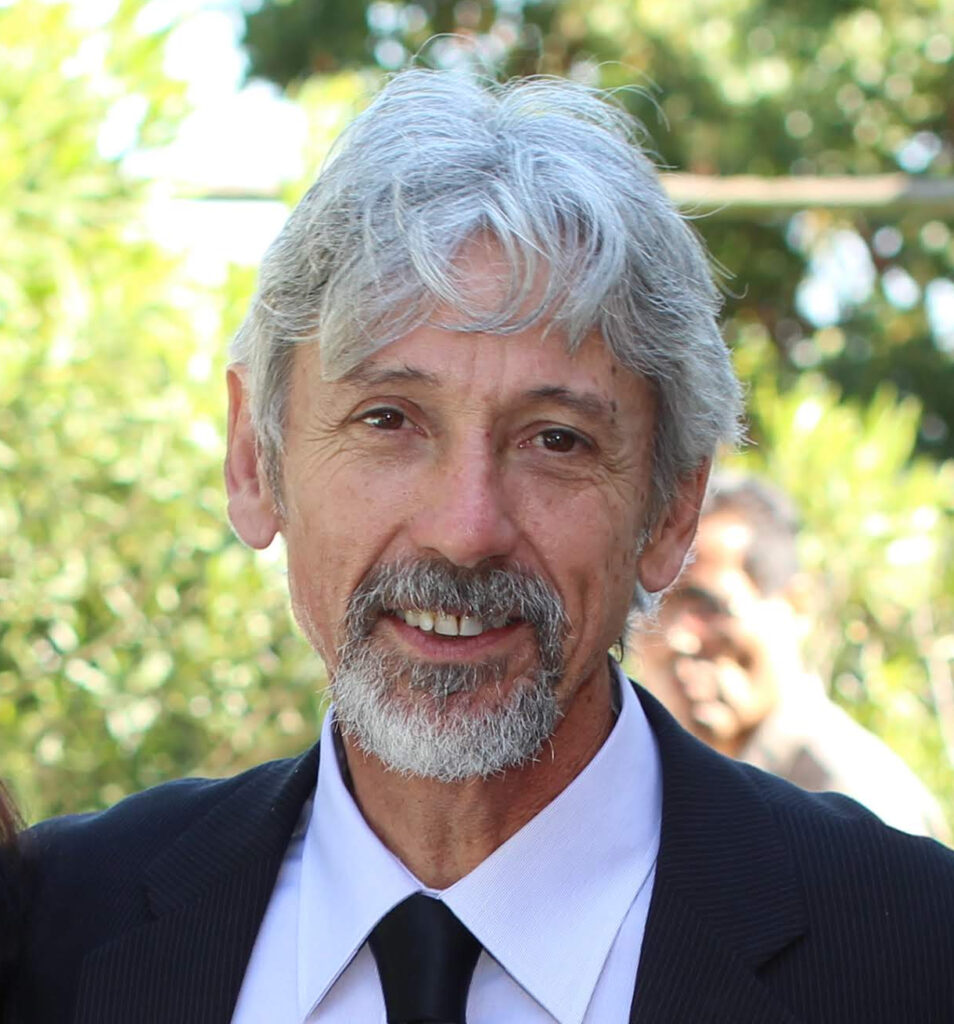
Claudio Vargas is an educational consultant with Sci-Lingual Education and FOSS at the Lawrence Hall of Science. He designs and leads professional learning focused on supporting multilingual learners through language and literacy development in STEM. Claudio also serves on the Board of Directors of the California Association of Science Educators (CASE) and contributed to the National Academies of Sciences, Engineering, and Medicine’s Call to Action for equitable science education. Previously, he led K–12 science programs for the Oakland Unified School District, guiding their implementation of the NGSS.
Understanding Translanguaging
Tom begins the conversation by asking the big question: What exactly is translanguaging? Diana and Claudio explain that translanguaging is about allowing students to use all the languages and resources they have to make meaning. It’s not just about translating words; it’s about recognizing the full range of knowledge, culture, and experience that multilingual learners bring into the classroom.
They trace the concept back about 40 years to its origins in Wales and connect it to today’s classrooms, where students may speak multiple languages at home and school. In science, translanguaging can deepen sense-making by allowing students to draw from their complete linguistic repertoire to understand and explain phenomena.
Shifting Mindsets in the Classroom
One of the key ideas Diana and Claudio emphasize is mindset. Teachers can cultivate more inclusive learning environments when they view multilingualism as an asset. This shift encourages students to use their full linguistic and cultural backgrounds in discussions, investigations, and writing.
They point out that tools like translation apps can make incorporating multiple languages easier, but what matters most is the teacher’s attitude. When educators show an interest in their students’ languages and invite them into the learning process, it fosters a sense of belonging and engagement.
Translanguaging in Practice
Translanguaging can take many forms in the classroom: from students discussing ideas in their preferred language during group work to writing in multiple languages in their science notebooks. In one FOSS sample lesson, students used 17 different languages as they explored scientific ideas together. The focus was not on perfect English, but on developing deep conceptual understanding.
Claudio and Diana highlight that translanguaging can even play a role in formative assessment. When students are encouraged to demonstrate their understanding in multiple ways, including through different languages, teachers gain a richer picture of their scientific thinking. The goal is not to test language proficiency, but to see where students are in their science learning.
Why It Matters
At its heart, translanguaging supports both language learning and concept learning. In a world where communication spans languages and cultures, this approach helps students feel valued and included while building their scientific literacy. As Diana and Claudio remind listeners, our classrooms reflect our global reality and by honoring students’ full linguistic identities, we prepare them to thrive in it.
Listen to the full episode to learn more about how ELD and translanguaging can transform your science classroom and help every student’s voice be heard.